Last updated November 18, 2026
ADU Emergency Preparedness Guide for Spring Valley Homes
During the July 2023 heat dome, NV Energy hit its highest peak demand on record and ran rolling demand-response events across the valley. If you own a detached ADU in Spring Valley and your tenant’s mini-split quits during a night like that, you don’t have a tenant complaint on your hands. You have a medical emergency, and it unfolds in hours, not days. The same is true of a monsoon gully-washer that sends runoff toward a slab that was graded flat, or a main-panel shutoff that leaves someone in a backyard unit with no way to kill the power. This guide covers the three emergencies that actually happen in Spring Valley – heat, flash flooding, and utility isolation – plus the insurance gaps and posted-contact basics that too many ADU owners skip until after the first bad night.
Quick Answer
ADU emergency preparedness in Spring Valley comes down to three things: sizing the HVAC to survive a 118°F day, grading and draining the site so monsoon runoff moves away from the foundation, and giving the tenant independent shutoff access for power and water without creating a Clark County code violation. Add a posted emergency contact sheet and a homeowner’s policy review before anyone moves in, and you’ve handled 90% of what can actually go wrong here.
Table of Contents
- Heat emergency protocol: HVAC sizing that survives a 118°F day
- Monsoon flash flood preparation for Spring Valley drainage
- Utility shutoff scenarios and tenant isolation
- Emergency contact documentation posted inside every ADU
- Insurance checklist for a detached ADU in Nevada
- Why prefab systems are easier to service in an emergency
- When to call a professional
Heat Emergency Protocol: HVAC Sizing That Survives a 118°F Day
Spring Valley sits in a bowl of heat that gets hotter than the Strip’s marketing photos suggest. Summer design temperatures here push past 110°F routinely, and the record highs land near 118°F. An ADU is a small, heavily insulated box with a lot of glass and a single exposure side – which means it heats up fast and cools down slowly if the system is undersized.
Here’s the minimum we plan around for a detached unit in Spring Valley:
- Cooling capacity: size the system for the highest local design temperature, not the average. A unit that’s “close enough” on a mild June afternoon will fail a tenant in a July heat dome.
- Redundancy: a single mini-split head is one point of failure. For a unit that will house someone year-round, plan a secondary cooling path (a second head or a window unit that can be energized during an outage).
- Power resilience: a portable battery or generator inlet that can run at least the cooling load, not just the fridge.
- Insulation and glazing: low-E glass and correct attic insulation reduce the load the system has to carry, which matters most during peak demand events.
If the system fails during a heat event, the tenant communication checklist is short and it should be posted:
- Move to the interior room with the fewest windows and close blinds.
- Call the property contact first, then the HVAC service line.
- If the indoor temperature passes a defined threshold, relocate to a cooling center or the main house.
- Log the outage time so you can document it for insurance if damage results.
Our technicians have up to 20 years of experience with ADU mechanical systems, and we’ve seen what an undersized head does in a Spring Valley July. It’s cheaper to size right the first time than to remediate a heat-damaged tenant situation.
Monsoon Flash Flood Preparation for Spring Valley Drainage
Most ADU owners worry about earthquakes. In Spring Valley, the real water risk comes in a handful of monsoon afternoons between July and September, when a cell can drop more rain in an hour than the ground can absorb in a day. The valley’s washes and low-lying streets fill fast, and water that runs off a sloped lot has to go somewhere.
Site grading around a detached ADU foundation is what decides whether a monsoon dump becomes a puddle or a foundation problem:
- Positive slope away from the slab: the ground should fall away from the foundation on every side, not settle toward it. Settling backfill is the most common cause of water intrusion we see on older Spring Valley lots.
- Swales and channel drains: where the lot slopes toward the ADU, a graded swale or a channel drain should redirect runoff before it reaches the door.
- Gutter and downspout discharge: extend downspouts well away from the foundation and never discharge onto a neighbor’s slope.
- Foundation exposure: the top of the slab should sit above surrounding grade, not level with it.
Before the first monsoon of the year, walk the perimeter. Look for ponding, soil that’s pulled away from the stem wall, and any low spot near the ADU door. If water pools against the slab, that’s a grading problem, not a drain-cleaning problem, and it needs to be fixed before the next storm. For owners adding a detached unit, we build the drainage plan into the site work rather than patching it afterward. If you’re still at the design stage, our ADU Builders in Spring Valley page walks through what site prep includes.
Utility Shutoff Scenarios and Tenant Isolation
A tenant living in a detached ADU should be able to cut power and water in an emergency without walking into the main house or calling someone who isn’t home. That’s a safety issue and, in a real emergency, it’s a timing issue. The trick is doing it without creating a Clark County code problem.
What independent shutoff access should look like:
- Electrical: a labeled subpanel serving the ADU, with a clearly marked main breaker the tenant can reach. A tenant flipping a subpanel breaker is fine. A tenant opening a main service panel to pull a meter is not, and it’s a code violation and a serious shock hazard.
- Water: a labeled shutoff valve on the ADU’s supply line, accessible without tools. If the unit shares a meter with the main house, the tenant needs a valve that isolates the ADU without shutting off the main house.
- Gas: if the ADU has gas service, the shutoff should be at the appliance, and any tenant instructions should say “call a licensed plumber” – we don’t hand a tenant a wrench and a gas valve.
Label everything. We’ve seen ADUs where the subpanel had no breaker labels, and a tenant in a panic had no idea which switch killed the water heater. Plain-English labels on every breaker and valve solve 80% of the confusion. Bring in a licensed electrician to verify the subpanel setup before a tenant moves in – pulling new circuits or relocating a panel is not a homeowner DIY task, and getting it wrong is a fire and shock risk.
Emergency Contact Documentation Posted Inside Every ADU
Every ADU should have a single laminated sheet posted inside, near the entry or in the kitchen, with the phone numbers and shutoff locations a tenant needs on the worst night. Keep it short, print it big, and update it when anything changes.
What belongs on that sheet:
- NV Energy outage line – so the tenant knows how to report and check restoration status.
- Clark County emergency code enforcement and non-emergency dispatch numbers.
- Water district shutoff procedure and the valve location in the unit.
- Landlord contact and backup contact.
- HVAC service line and the phone number for your property manager if you use one.
- A one-line note on where the electrical subpanel is and which breaker is the ADU main.
Posting this isn’t a legal formality – it’s the difference between a tenant who calls the right number in thirty seconds and one who calls a friend and waits an hour. If you want the full picture of what goes into a well-run detached unit, our Benson ADU Builders Spring Valley home page is the starting point.
Insurance Checklist for a Detached ADU in Nevada
A standard Nevada homeowner’s policy does not automatically cover a detached ADU the way you’d assume. The dwelling coverage on your main house may or may not extend to a separate structure, and a unit you’re renting out sits in a different underwriting category than one your family uses. Before a tenant moves in, review your policy with your agent and confirm each of these:
- Structure coverage: is the ADU covered as a separate structure (Coverage B) or excluded because it’s detached?
- Landlord vs. homeowner status: a rented ADU may need a landlord policy or a rider. A standard homeowner’s policy may not cover a rental.
- Loss of rents: if the ADU is income-producing, confirm the policy pays lost rent while it’s uninhabitable.
- Water damage and flood: monsoon runoff damage is often excluded from a standard policy. Flood coverage is a separate policy. This matters in Spring Valley.
- Business property: if the ADU is used as a home office or workspace, business equipment may not be covered.
- Liability limits: a tenant in a detached unit changes your liability exposure. Confirm the limits are right for a rental.
We’re not insurance agents and we don’t sell coverage. What we can do is tell you what a well-documented build looks like, because a written scope and as-built drawings make a claim easier to process. The Relay Visibility Guarantee provides a written price before work starts and a 365-Day Done Right Promise, and every project carries a written guarantee – which helps when you’re documenting a structure for a policy review.
Why Prefab Systems Are Easier to Service in an Emergency
Prefab ADU construction has a real advantage in an emergency: the systems are documented. With a panelized build from a brand like Abodu, Cover, Dvele, or Mighty Buildings, the mechanical and electrical layout is standardized, which means a service technician can find the subpanel, the water shutoff, and the HVAC head without tearing into a wall. That’s minutes saved at the exact moment minutes matter.
We build with and source from leading prefab and materials brands – Abodu, Cover, Dvele, Mighty Buildings, Boxabl, Plant Prefab, Tuff Shed, plus James Hardie cladding – so owners can research each system independently and know what they’re getting. The same is true of home additions and accessory rooms; if you’re adding an attached space with shared utilities, the same planning rules apply. Our Home Addition Contractor in Spring Valley page covers how we handle shared-utility additions.
Common Mistakes to Avoid
- Undersizing the HVAC for a 118°F peak. A system that’s “close enough” fails on the hottest day of the year, when the tenant has no fallback. Size for the design temperature, not the average.
- Grading the site flat. In Spring Valley, flat grading around an ADU slab means monsoon runoff pools against the foundation. Positive slope away from the slab is not optional.
- No independent shutoff for the tenant. A tenant who has to open the main panel to kill power is one mistake away from a serious shock. Install a labeled subpanel.
- Skipping the insurance review. Standard homeowner policies often don’t cover a rented detached unit. Confirm structure coverage, loss-of-rents, and flood exclusions before move-in.
- No posted contact sheet. A tenant in a heat event needs NV Energy, water district, and landlord numbers on the wall, not in a text thread.
- Assuming a flood policy covers monsoon runoff. Standard policies often exclude it. Flood coverage is separate, and Spring Valley sees real runoff.
- Leaving breaker and valve labels blank. Every breaker and shutoff should be labeled in plain English so a tenant under stress can find the right one.
When to Call a Professional
Some of this you can check yourself – walk the perimeter before monsoon season, confirm the posted contact sheet is current, verify the tenant knows where the subpanel is. But sizing an HVAC system for a 118°F design day, running a new circuit or subpanel, relocating a gas shutoff, and regrading a foundation all need a licensed trade. Electrical and gas work in particular is not a homeowner job: a mislabeled panel or a gas valve that’s been re-piped without an inspection is a fire, shock, or carbon monoxide risk. If you’re planning a new detached unit and want the emergency plan built in from the start, a Room Addition Contractor in Spring Valley can walk the lot and scope it with you. Benson ADU Builders Spring Valley offers free estimates in Spring Valley – call (833) 734-5583.
Frequently Asked Questions
Extreme heat is the biggest risk. A failed or undersized mini-split during a July heat event can push an ADU into unsafe indoor temperatures within hours. Flash flooding and utility shutoff access follow close behind.
It should be sized to the local design temperature, not the valley average, so it can hold indoor temperature through a 118°F day. The right tonnage depends on square footage, glazing, and insulation, so a proper load calculation is the only reliable way to size it.
Yes, they need an accessible, labeled subpanel main breaker they can reach in an emergency. They should never open the main service panel to pull a meter, which is a code violation and a serious shock hazard.
Not automatically. Standard policies often exclude a detached, rented unit. Confirm structure coverage, loss-of-rents, and flood exclusions with your agent, and add riders before a tenant moves in.
Ensure the ground slopes away from the slab on all sides, redirect downspouts, and install a swale or channel drain where the lot slopes toward the unit. Walk the perimeter before July and fix any ponding or soil pull-away.
A laminated sheet with the NV Energy outage line, Clark County emergency code enforcement, the water district shutoff procedure, landlord contacts, and the HVAC service line. Add a note on where the subpanel and main breaker are.
The Bottom Line
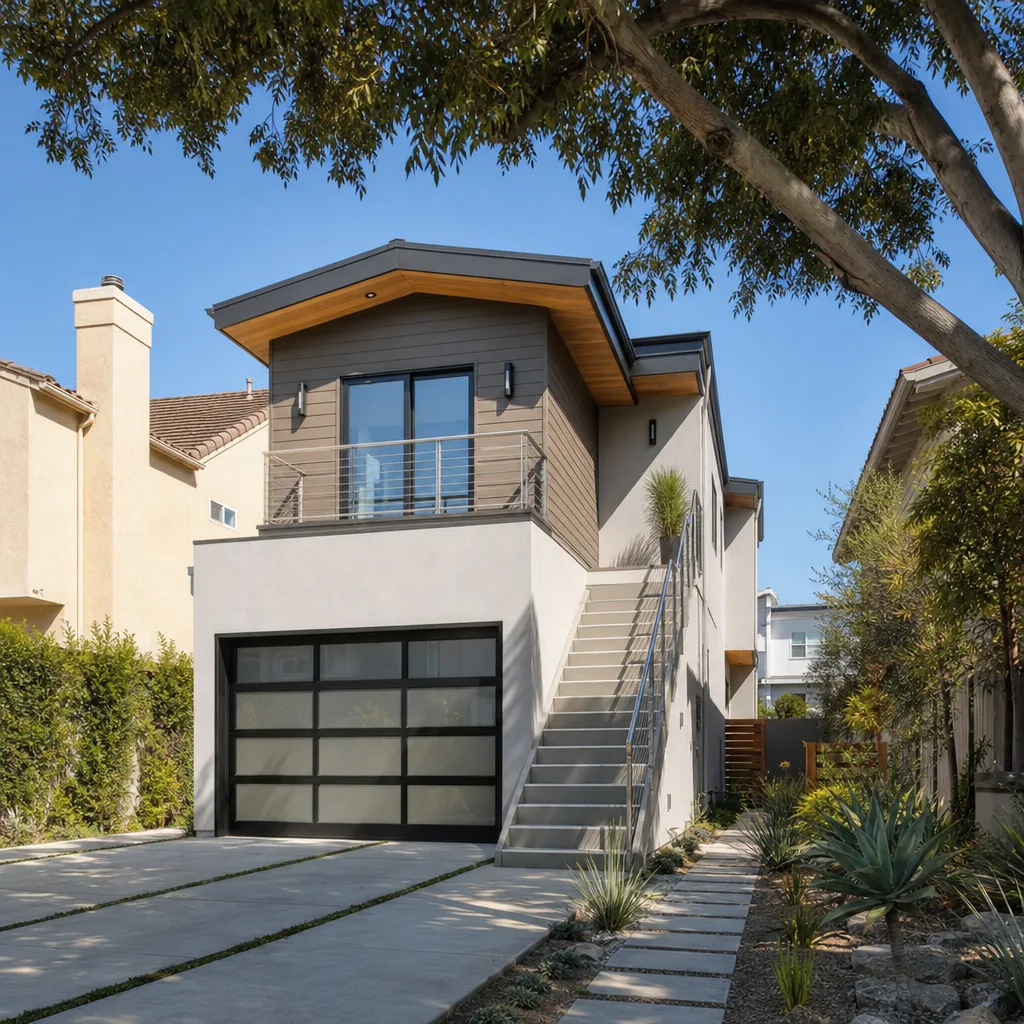
Spring Valley ADU emergencies aren’t earthquakes and hurricanes – they’re heat, monsoon runoff, and utility isolation. Size the HVAC for a 118°F design day, grade the site so water moves away from the slab, give the tenant an accessible and labeled subpanel, post the contact sheet, and review the insurance before anyone moves in. Do those five things and you’ve handled the realistic risks. Skip them and the first bad afternoon becomes an expensive one. Our team has the experience to build these into the plan from the start, and we put the price in writing before work begins.
If you’re planning a new ADU or upgrading an existing one in Spring Valley, call Benson ADU Builders Spring Valley at (833) 734-5583 for a free estimate. We’ll walk the lot, scope the emergency plan, and give you a written price – no surprises at the door.
Written by the team at Benson ADU Builders Spring Valley.