Last updated November 18, 2026
ADU Builders Troubleshooting: Common Problems and How to Fix Them
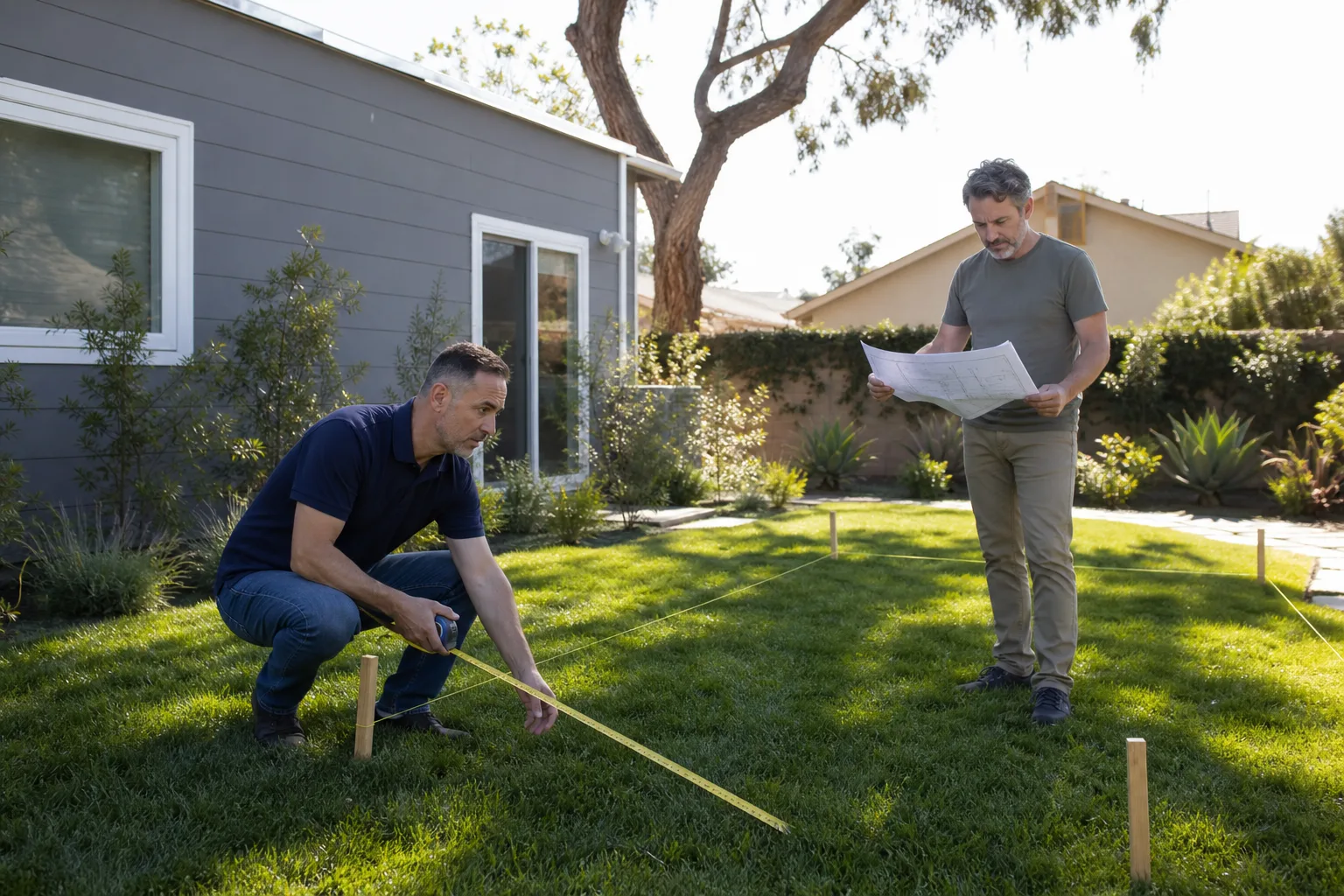
The most common ADU complaint isn’t bad workmanship. It’s a scope-of-work document so vague that the homeowner and the contractor were building two completely different units in their heads. One pictured a 500-square-foot studio with a Murphy bed. The other budgeted for a shell with no kitchen. By the time the drywall goes up, the argument is already expensive.
We’ve walked into enough half-finished accessory dwelling units around Spring Valley to know that the failures that hurt most don’t show up on demo day. They surface six months later as a failed inspection, a hairline crack running across the slab, or a contractor who stopped answering his phone in week nine. This guide diagnoses the root causes behind the expensive ones so you can spot trouble before you write another check.
Quick Answer
Most ADU construction problems trace back to three root causes: a vague scope of work, a foundation or framing design that ignored local soil and code, and no written price or schedule before work started. Fixing them means demanding a line-item written scope, pulling soil and permit records early, and tracking real progress in writing rather than by verbal promise. The repair itself is usually cheaper than the delay it causes.
Table of Contents
- Problem 1: The Scope of Work Was Too Vague to Build From
- Diagnosing a Permit Delay: County Fault or Contractor Fault?
- Foundation and Framing Issues on Las Vegas Valley Caliche Soil
- When a Contractor Ghosts Mid-Project: Legal Steps and Getting a New Builder Up to Speed
- How to Read a Real-Time Project Tracker
- Prefab ADU Delivery Problems and How to Prevent Them at Contract Signing
- Why ADU Budgets Overrun and How to Catch It Early
Problem 1: The Scope of Work Was Too Vague to Build From
A scope of work is the written document that says exactly what gets built: dimensions, materials, fixtures, finishes, and who supplies what. When it’s three bullet points and a handshake, you and your builder are negotiating a contract you both think you already signed, but with different pictures in your heads. That’s where cost disputes start.
Here’s what a buildable scope includes, at minimum:
- Square footage and layout, room by room, including ceiling height.
- Foundation type – slab, stem wall, or pier and beam – with the engineering spec named.
- Utility connections: where power, water, and sewer tie in, and who digs the trench.
- Finish schedule: flooring, countertops, fixtures, and cladding by brand and model.
- Exclusions: what is explicitly not included (landscaping, fencing, appliances, solar).
- Change order process: how a change gets priced and approved in writing before it happens.
In our experience, the homeowners who get burned are the ones who accepted a verbal estimate and a one-page proposal. The one-page proposal is not a scope. It’s a sales tool. Ask for the line-item version, and if the builder can’t produce one, that’s your answer.
This is also why we lead with a written price before any work starts on every project, and why we build only with materials names you can research on your own – James Hardie cladding, Plant Prefab panels, Boxabl units, Tuff Shed structures. Named products beat “builder-grade” every time. If you want to understand how a proper build sequence looks from the start, our overview of ADU Builders in Spring Valley walks through it.
Diagnosing a Permit Delay: County Fault or Contractor Fault?
A permit delay is almost always a paperwork problem before it’s a county backlog problem. Before you blame the plan reviewer, do this diagnostic:
- Get the permit number. If your contractor can’t give you a permit application number, no permit was filed. That’s the end of the diagnosis.
- Check the status online. Clark County’s online portal shows whether an application is “received,” “under review,” or “awaiting correction.” Awaiting correction means the ball is in your contractor’s court.
- Read the correction comments. Counties post reviewer comments. Common ones: missing site plan, setback measurements that don’t match the plot, or an engineer’s stamp that wasn’t included.
- Ask for the resubmittal date. If your builder can’t name the day the corrected plans went back in, the delay is theirs, not the county’s.
Setback, by the way, is the minimum distance your structure must sit from the property line – it’s a zoning rule, not a suggestion, and it’s the single most common reason a Spring Valley ADU plan gets kicked back. An ADU or JADU (a junior ADU built inside the existing home) has different setback rules than a new detached unit. Get your plot plan right before you submit anything.
What you want from a builder is proactive communication, not an excuse. We answer the phone with a live person around the clock for exactly this reason – a delayed answer on a permit question is a delay on your whole build. If you’re also weighing a home addition or a room addition, the permit rules differ from an ADU, and our team covers them under home addition contractor in Spring Valley.
Foundation and Framing Issues on Las Vegas Valley Caliche Soil
Caliche is a naturally cemented layer of soil, sometimes described as desert concrete, and it’s nearly everywhere in the Las Vegas Valley. When an excavator blade hits it, the cost of trenching can jump by thousands in a single afternoon. If your contract has no clause for encountering it, that bill rides on you.
Framing and foundation problems specific to Spring Valley ADUs include:
- Excavation surprises: contract language should state who pays for rock removal if caliche is hit. Get the number in the agreement before work starts.
- Slab cracking and settlement: a slab poured without proper soil prep on reactive soil can crack within a year. Ask for the soil report, and check that the engineer specified the right slab thickness and rebar pour.
- Expansive clay areas: some lots in the valley have clay-rich soil that swells when wet and shrinks when dry. A soil test is cheap compared to a cracked foundation.
- Drainage runoff: monsoon rain in Summerlin and across the west valley moves fast. A slab that sits lower than surrounding grade can pool water and undermine the footing.
- Anchor point placement: prefab panel systems use a specific anchor layout. A site-built foundation that doesn’t match it means drilling through cured concrete.
The fix is to do a soils investigation before you sign anything, not during excavation. If your builder brushes off the question about caliche, that’s a red flag. We’ve seen this enough that we now ask for a site plan and soil report as standard intake for every Spring Valley ADU project.
When a Contractor Ghosts Mid-Project: Legal Steps and Getting a New Builder Up to Speed
A contractor who stops showing up has usually stopped paying subcontractors first. Your first move is not a phone call. It’s paperwork.
- Photograph everything. Every work-in-progress stage, every delivery, every unfinished corner. Date-stamp the photos.
- Send a written demand letter. Certified mail, asking for a written accounting of money spent and work performed within a set number of days. Keep a copy.
- Check the contractor’s license. Nevada requires a state contractor’s license. File a complaint with the Nevada State Contractors Board if the license is real and the contractor walked off.
- Get lien waivers. This is the step most homeowners skip. A lien waiver is a document where a subcontractor or supplier agrees they’ve been paid and gives up their right to put a lien on your property. You need signed waivers from every sub who worked on the job.
- File the bond claim, if applicable. Nevada’s contractor bond fund exists for exactly this situation. Your state board can walk you through the process.
Then comes the rebuild. A new builder will need a clean handoff: finalized plans, permit history, photos of what’s completed, and stated verification of all subs already paid. Without signed lien waivers, you risk paying twice for the same work. If you’re in the middle of a home addition or room addition when this happens, our team can usually assess a half-finished job – but only if you have the documentation. Start with room addition contractor in Spring Valley if that’s the scope you’re patching.
How to Read a Real-Time Project Tracker
A project tracker is only useful if you actually look at it, and if it tells you something honest. The mistakes we see are trackers that show a progress bar and a date, then quietly reset the date every Monday morning. That’s not a tracker. That’s a countdown timer.
A tracker that catches schedule slippage looks like this:
- Staged tasks with owners. Not “framing: 60%.” Instead: “Framing start: Tuesday. Complete: Thursday. Assigned to carpentry crew.”
- Critical path flagged. The tasks where a one-day slip pushes the whole job. If framing is blocking the drywall inspection, that shows up differently on the tracker.
- Photo evidence per stage. Time-stamped images of every milestone, so you see what was actually done, not what was claimed.
- Change log. Every added item with a written price, approved before it’s performed.
We built our tracking system around The Relay Visibility Guarantee, which puts the plan and the price in writing before the shovel turns and keeps the schedule visible in real time. If your builder can’t name today’s task and the next inspection date off the top of their head, the schedule exists only in their head. That’s how a two-week delay becomes a two-month one that costs you rent you never budgeted for.
The other hidden cost: every week of delay on a rental ADU is rent you’re not collecting. If you’re financing the build, it’s also interest and construction loan carrying cost. A tracker is not a luxury – it’s the tool that turns a vague “we’re running behind” into a dollar figure you can actually plan around.
Prefab ADU Delivery Problems and How to Prevent Them at Contract Signing
Prefab is not an easier build. It’s a different one. A prefab panel kit or a container-based unit like a Boxabl has passed through a factory and arrives ready to assemble, and the failure modes are rarely with the unit itself. They’re with the site. The two most common: site access and utility stub-out mismatches.
Site access mishaps:
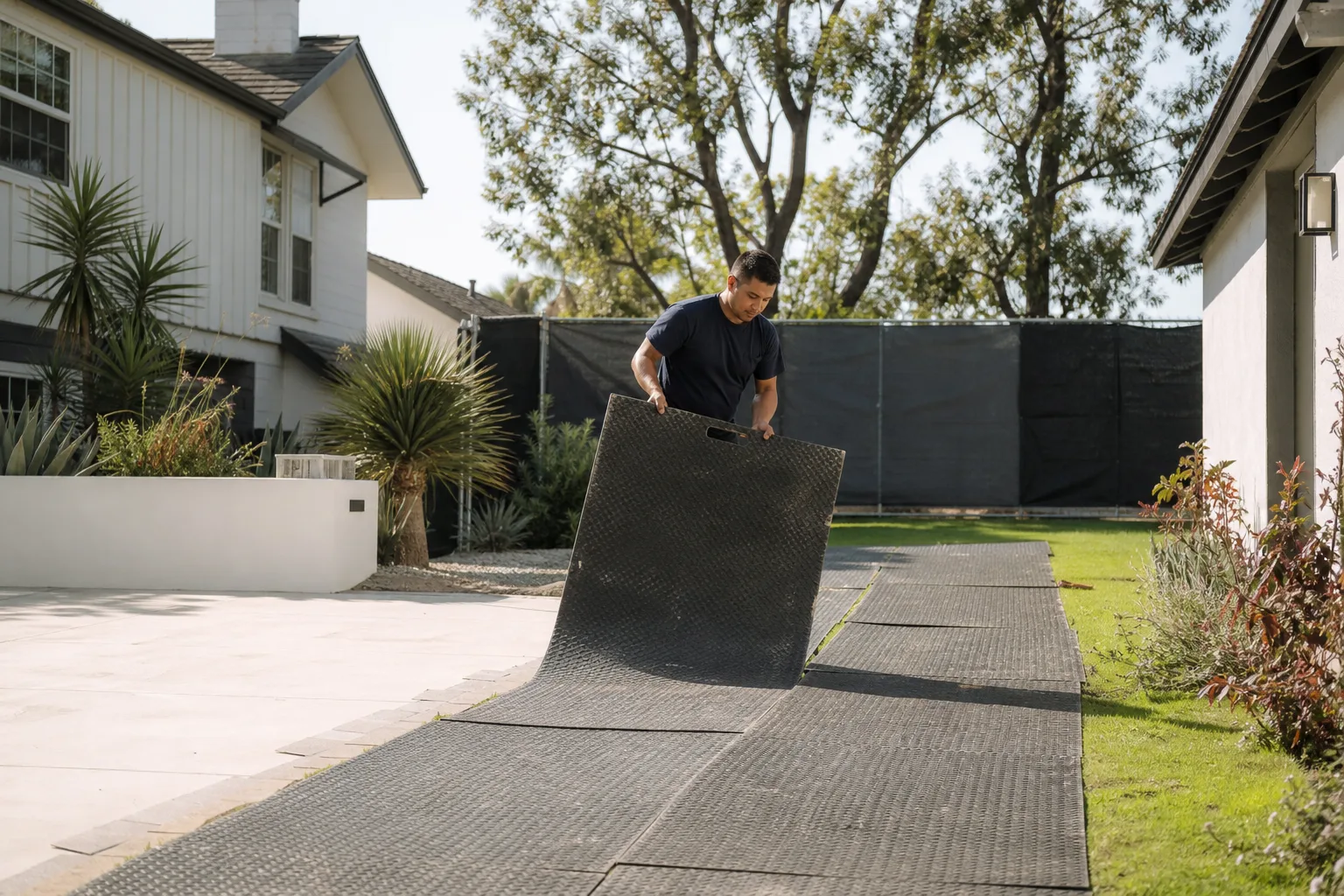
- Crane access: a prefab delivery on a site with a narrow driveway, low power lines, or overhead trees may need a crane that can’t reach the install spot. A truck-mounted crane needs roughly a 20-foot radius with no overhead obstruction.
- Staging area: prefab panels arrive stacked. If your lot can’t hold them, the crew can’t assemble from anything.
- Utility stub-outs: a stub-out is the connection point where your new unit ties into water, power, and sewer. The distance and location must be engineered before the prefab arrives. If they don’t match, you’re excavating again.
The fix is at contract signing, not on delivery day. Before you commit, require:
- A site plan showing access and staging. Where does the truck park, where do the panels lie, where does the crane reach?
- Utility tie-in drawings. Match the prefab’s specified stub-out location to the actual property lines and connection points.
- Delivery responsibility named in writing. Who pays for the crane, who owns the permit, who handles missed deliveries.
Working with known prefab brands reduces risk because their installation specs are documented – Mighty Buildings, Plant Prefab, and Boxabl all publish install requirements you can hand to your foundation contractor. But the brand doesn’t save you from a site that wasn’t planned. A foundation poured to the wrong anchor layout on Spring Valley soil is still a foundation you have to fix. If that sounds like what’s happening to you, our Benson ADU Builders Spring Valley home page opens the conversation.
Why ADU Budgets Overrun and How to Catch It Early
Almost every overrun starts as a small, unmentioned change. You ask for a slightly bigger window. Then the framing changes, then a wall moves, then the electrical rough-in gets reworked, and by the time the invoice arrives, you’re staring at four digits of change orders that were never quoted in writing.
For a typical Spring Valley ADU, the line items most likely to blow up are:
- Excavation, if the soils report wasn’t done upfront.
- Utility trenching, when distance to the tie-in was underestimated.
- Finish upgrades requested mid-build, without a written price.
- Inspection rework, when plans didn’t match the build.
The fix is a written price before work starts, plus a change order process that requires your signature before anyone swings a hammer. Any contractor who ever bills you for a change you didn’t approve in writing has broken the contract. Don’t sign a final payment until you have that written record, matching invoice, and final inspection passed.
Common Mistakes to Avoid
- Accepting a verbal estimate. A verbal price is a guess that gets more expensive every week. Get it in writing, line by line.
- Skipping the soil report. In the Las Vegas Valley, caliche and expansive clay can turn a $3,000 excavation into a $12,000 one. Test first.
- Not checking the contractor’s state license. Nevada requires it, and a license check takes ten minutes online.
- No lien waivers from subcontractors. If a sub doesn’t sign a waiver, you can be on the hook for their unpaid invoices even after you’ve paid your builder.
- Paying in full before final inspection. Final payment should be tied to a passed inspection. Not to a promise. This mistake is common enough that we spell it out on the first page of our agreement.
- Not verifying the prefab install requirements. Ordering a Boxabl or Mighty Buildings unit without current site specs is how foundations get poured to the wrong layout. Verify access, anchoring, and utility stub-outs before you sign.
- Agreeing to a schedule without tracking it. A date on a contract is a wish unless someone is actually tracking progress each week. Demand real-time visibility.
Every one of these mistakes is avoidable before construction starts. That’s the good news – and the reason we insist on written scopes at intake for every Spring Valley project.
When to Call a Professional
Some fixes are worth trying yourself. Replacing a picket fence, painting a shed – those don’t need a licensed contractor. But an ADU foundation that’s cracking, a prefab install that doesn’t line up with the certified plans, utility trenching that needs to pass inspection, or a contractor who stopped showing up before final inspection – those need a licensed professional with the paperwork to back it up. Electrical, plumbing, and gas line work are especially unforgiving; a mistake here isn’t expensive, it’s dangerous.
Benson ADU Builders Spring Valley offers free estimates in Spring Valley – call (833) 734-5583. Every project is governed by The Relay Visibility Guarantee: a written price before work starts, The 365-Day Done Right Promise, and a written guarantee with a free second visit if a covered repair fails. Our technicians are background-checked and arrive in uniform, and there’s a live person answering the phone every day, every hour.
Frequently Asked Questions
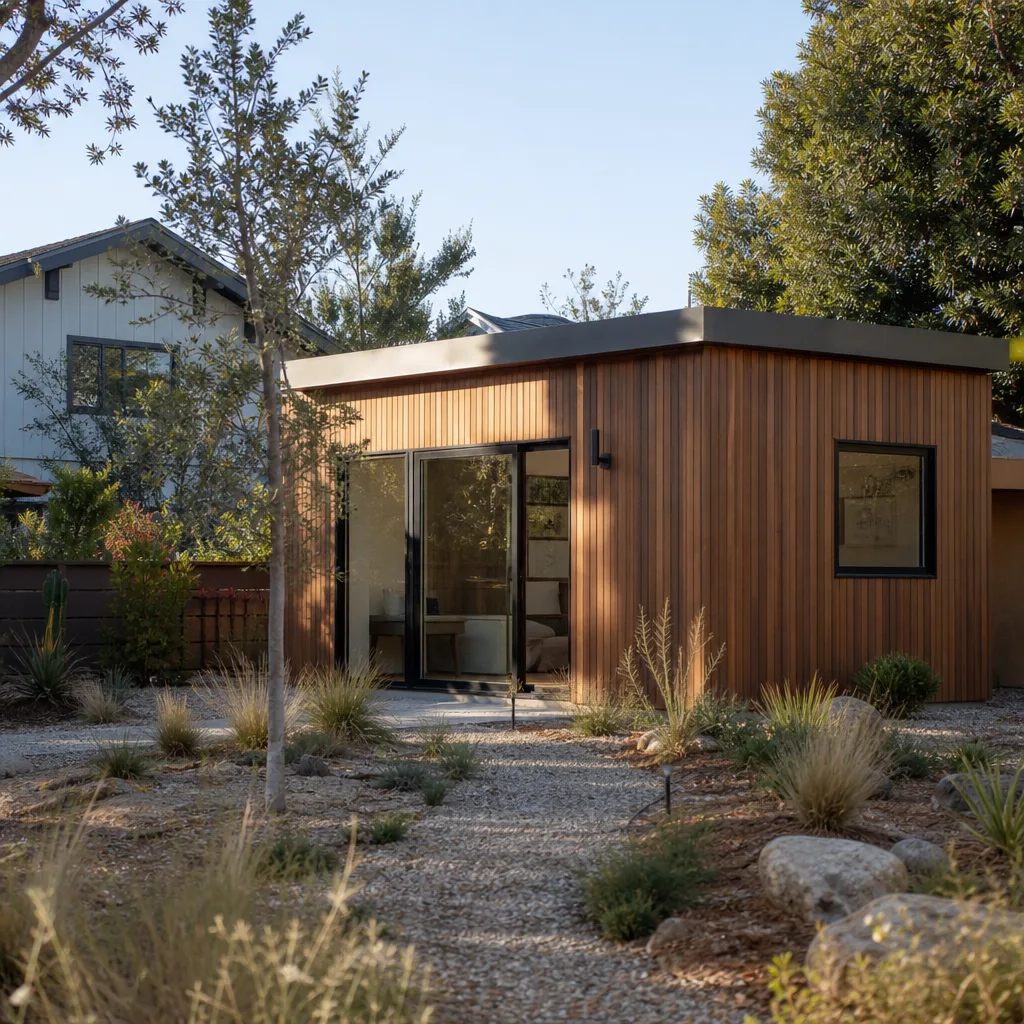
Most inspection rework falls between $800 and $4,500, depending on whether it’s a paperwork fix or physical rework like adding a code-required egress window. Plan review corrections are usually a few hundred dollars plus a resubmittal fee; structural rework is the expensive end. The cheapest fix is getting the plans right before the first inspection, which is where a written scope pays for itself. Call (833) 734-5583 for an exact quote – estimates are free.
Costs overrun for three reasons: scope creep, unexpected site conditions (like caliche on a Las Vegas Valley lot), and change orders that were never quoted in writing. If your builder can’t itemize the difference line by line, the overrun is on them. Ask for the written change log. Call (833) 734-5583 to have a Spring Valley project reviewed.
Send a certified demand letter requesting a written accounting, file a complaint with the Nevada State Contractors Board, and collect signed lien waivers from every subcontractor and supplier who worked on the job. Before hiring a replacement, gather permits, plans, and photo documentation of completed work. A new builder will need all of it to pick up the job legally and safely. Call (833) 734-5583 to talk through a mid-project handoff.
Yes, but the foundation design has to account for it. Caliche is a cemented soil layer that can stop excavation cold, and expansive clay nearby can crack a slab if the subgrade isn’t prepped. Get a soil report before construction, and confirm your contract states who pays for rock removal if it’s hit. Call (833) 734-5583 for a site assessment.
Most Spring Valley ADUs run 6 to 12 months from permit submission to final inspection, with prefab builds often on the shorter end because factory assembly is faster. The wild cards are permit review time and site preparation surprises. The schedule is only reliable if someone is tracking it in writing. Call (833) 734-5583 – estimates are free.
Yes. Permit management is part of every ADU and addition project we handle, and we build only to a written price that includes permit costs before work starts. If you’re patching a project that stalled, we’ll walk through the permit status with you. Call (833) 734-5583 for a free estimate and permit review.
The Bottom Line
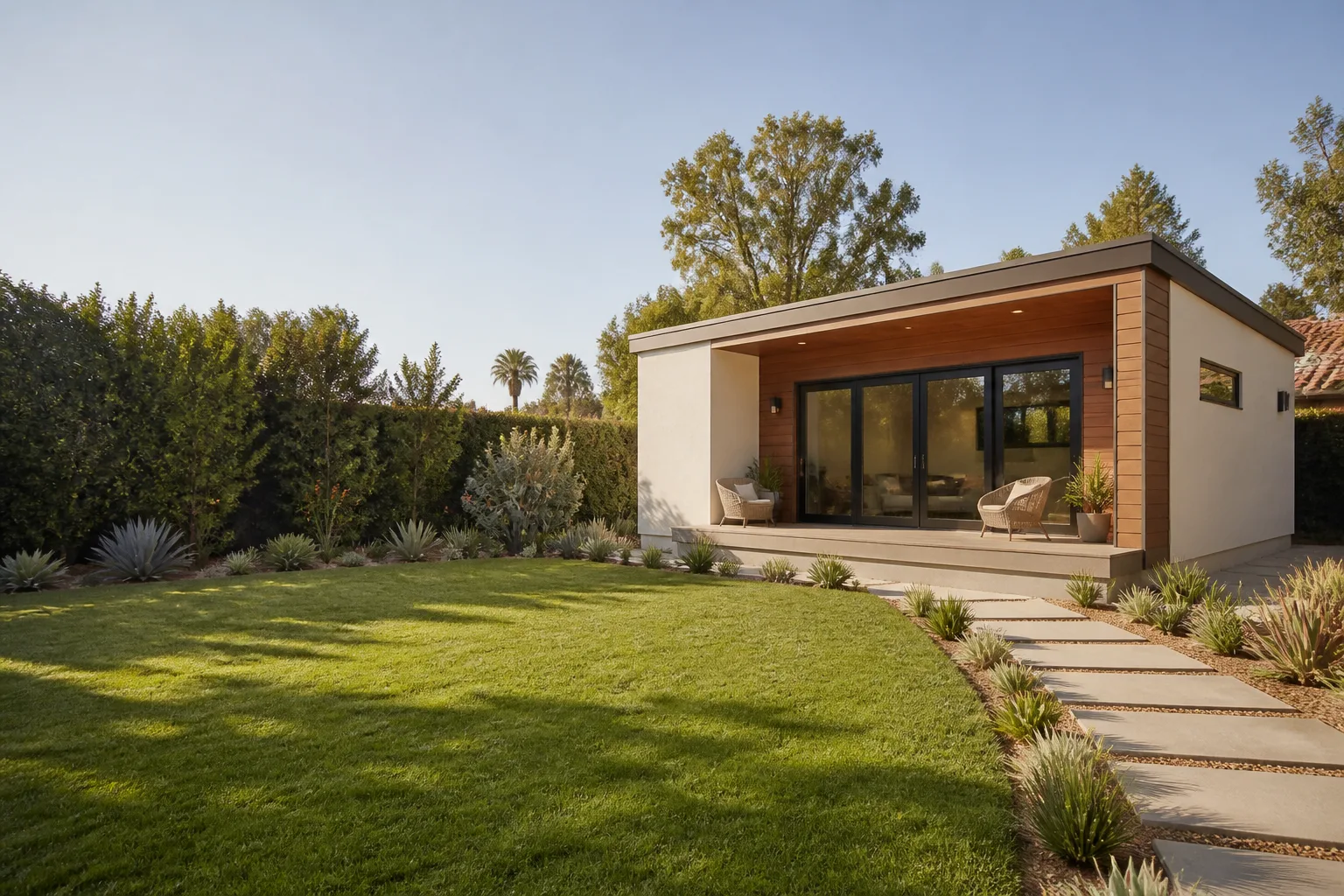
The ADU failures that hurt most don’t happen during construction. They happen when the plan was never concrete. A vague scope, a missing soil report, and no written price are the three riskiest moves you can make – and all three are avoidable. Demand a line-item scope with brand names. Pull permits early and check the status yourself. Get a written change-order process. Track the schedule weekly. And if a job goes sideways, keep your paperwork tight and get signed lien waivers before you hand the job to a new builder. That’s how a Spring Valley ADU stays a rental income asset and not a decade-long headache.
Benson ADU Builders Spring Valley is part of the Relay Home Co. family, established 2006. Our technicians have up to 20 years of experience, all are background-checked and uniformed, and we build with brands like Abodu, Cover, Dvele, Mighty Buildings, Boxabl, Plant Prefab, Tuff Shed, and James Hardie. Every project gets a written price before work starts and The 365-Day Done Right Promise backing it up. Call (833) 734-5583 to schedule your free estimate.
Written by the team at Benson ADU Builders Spring Valley.