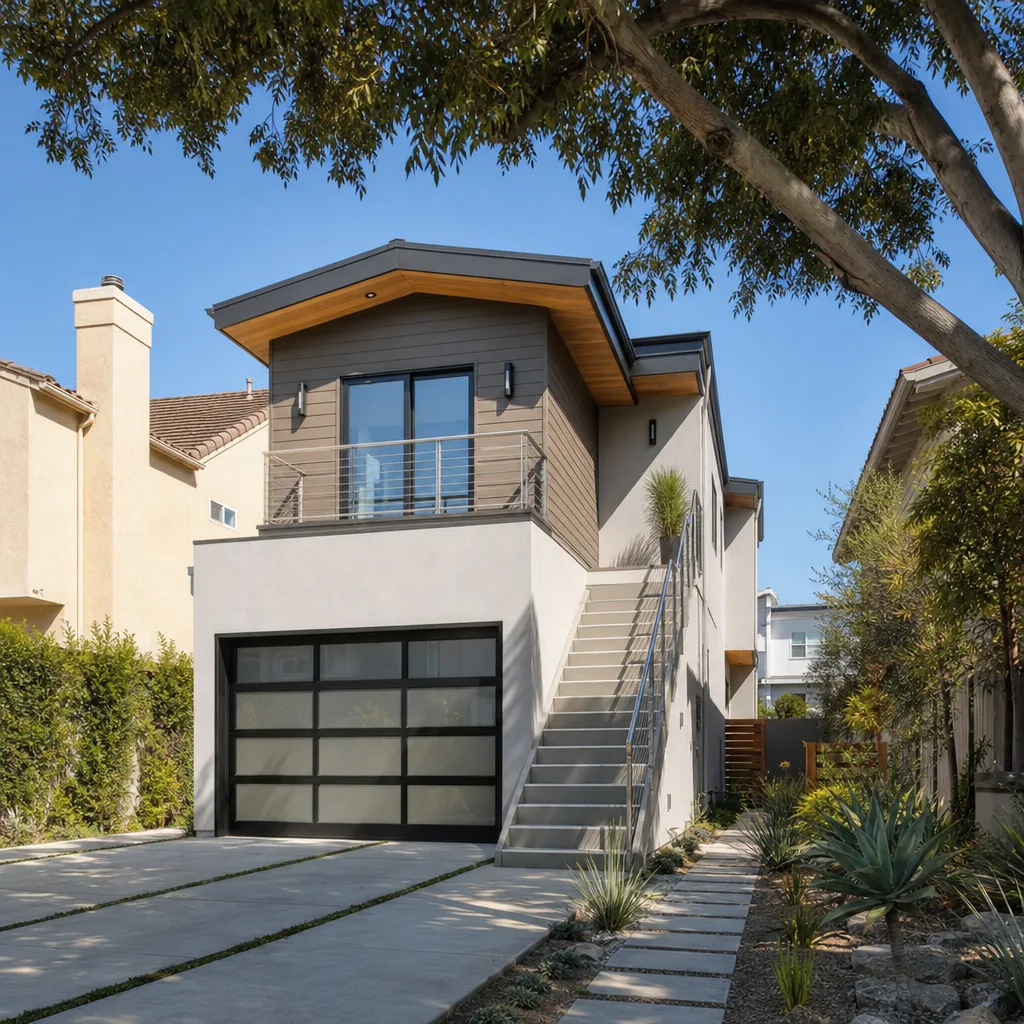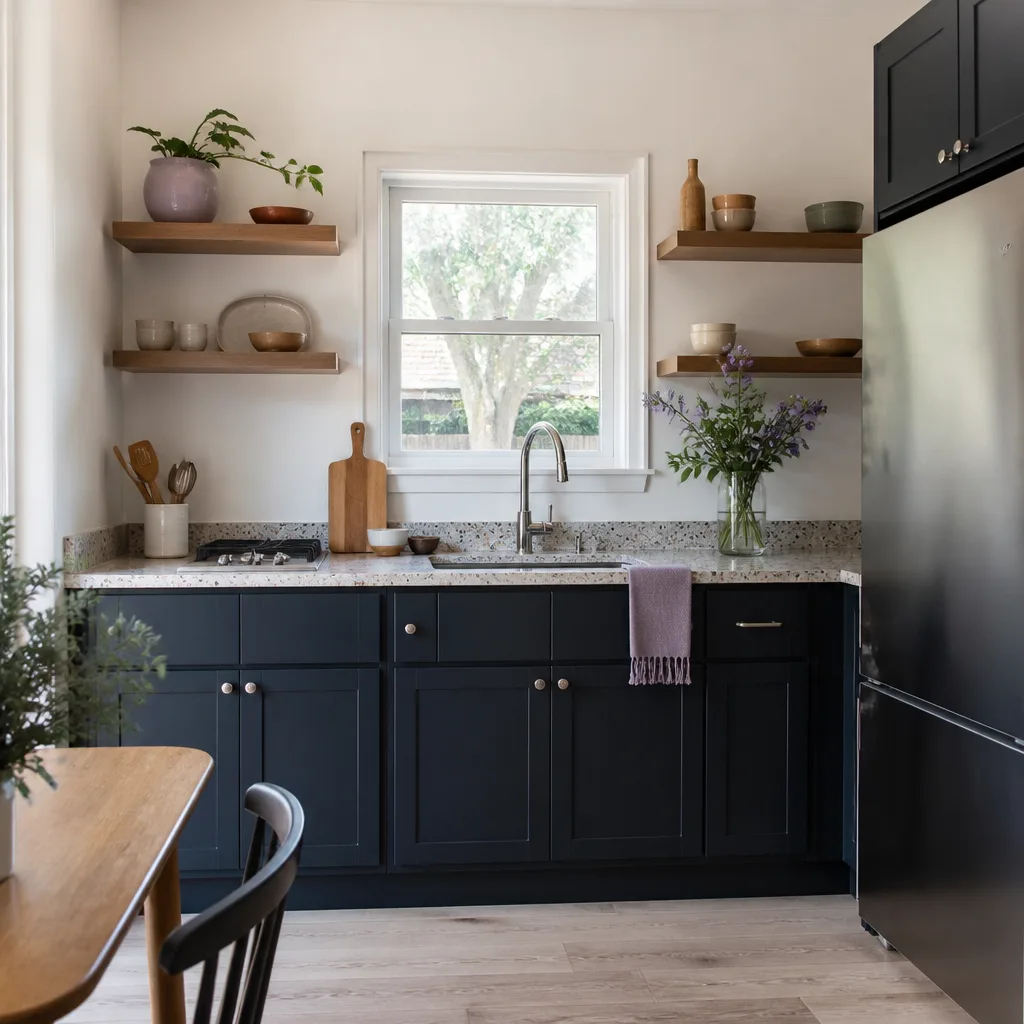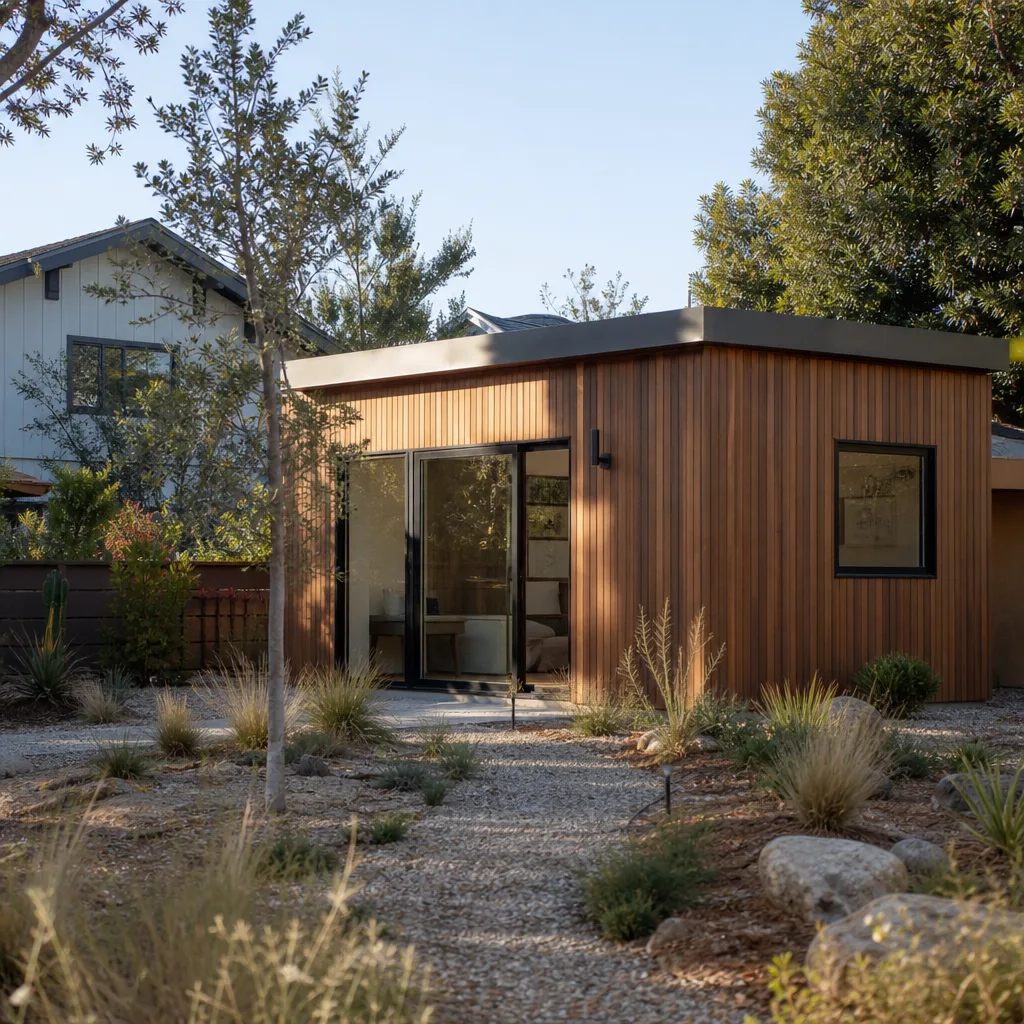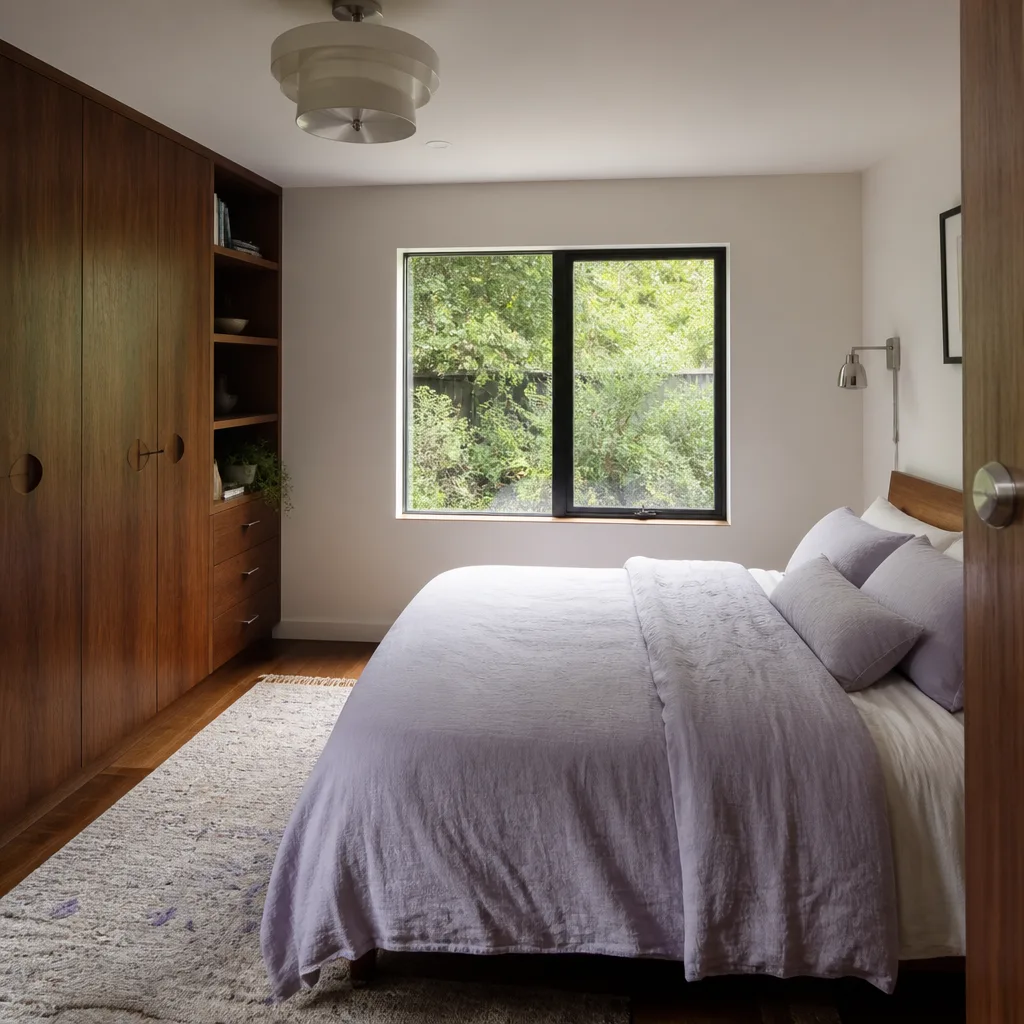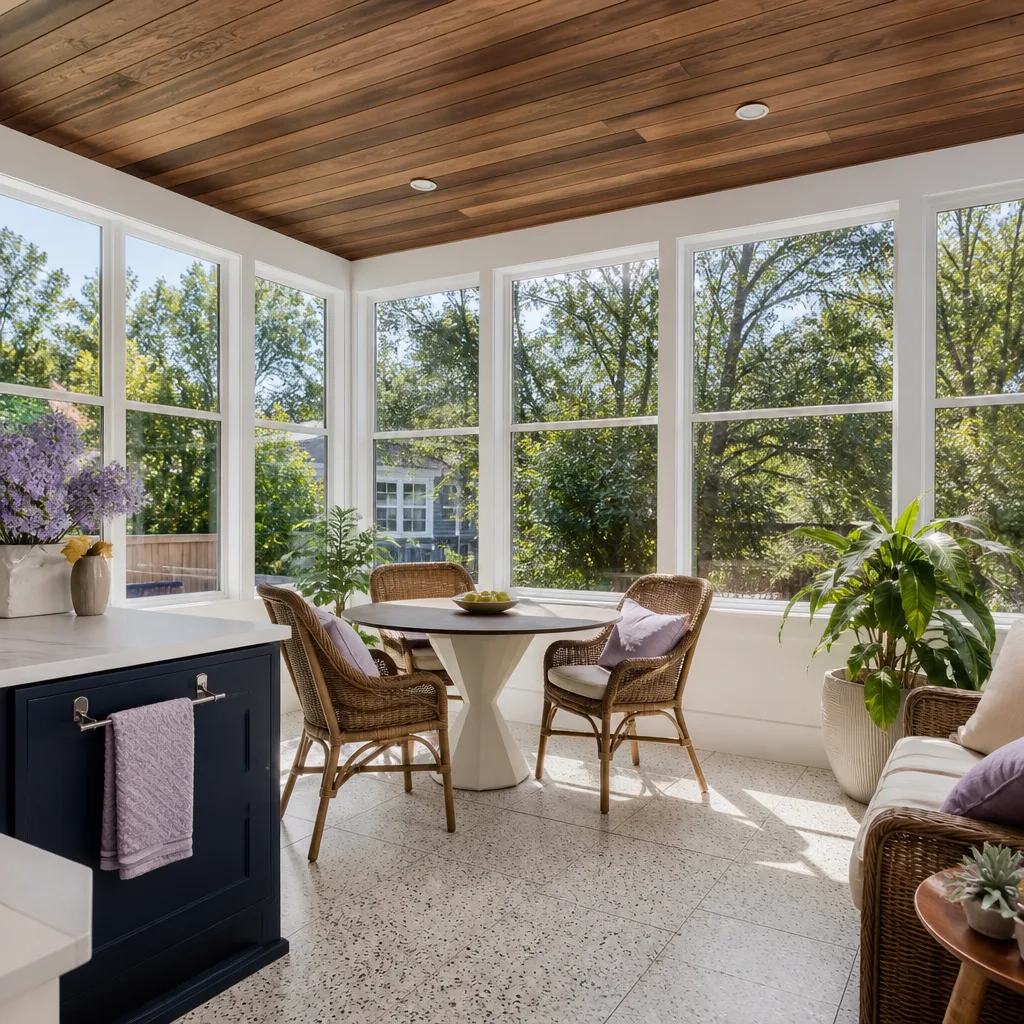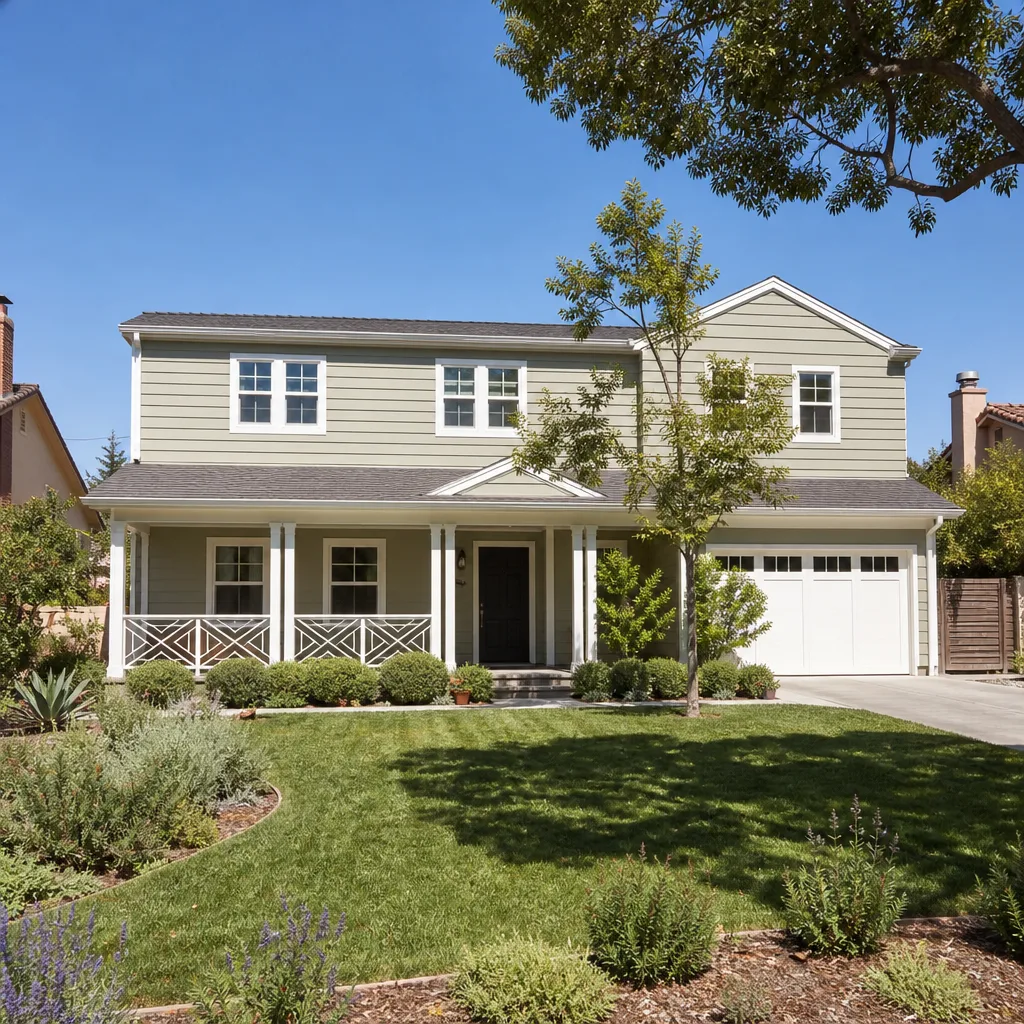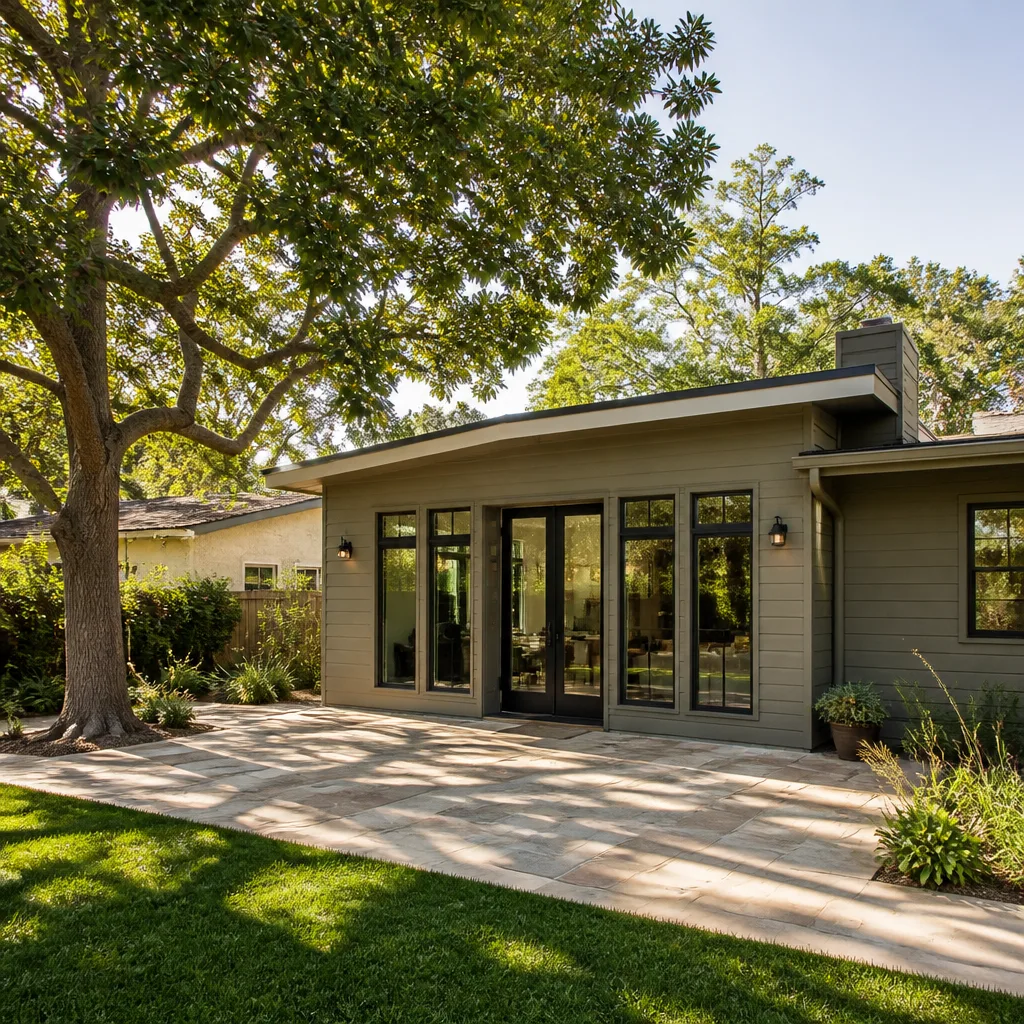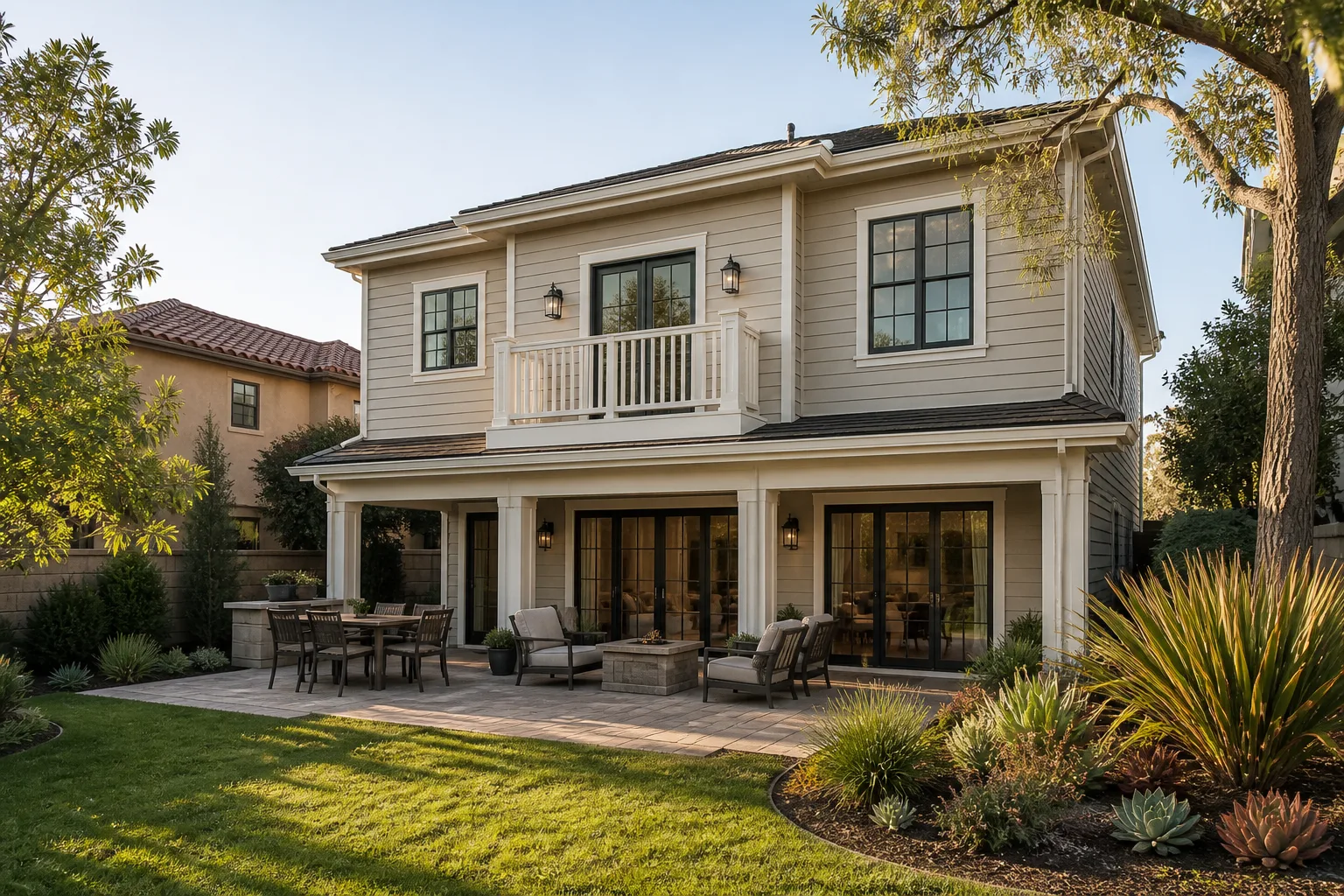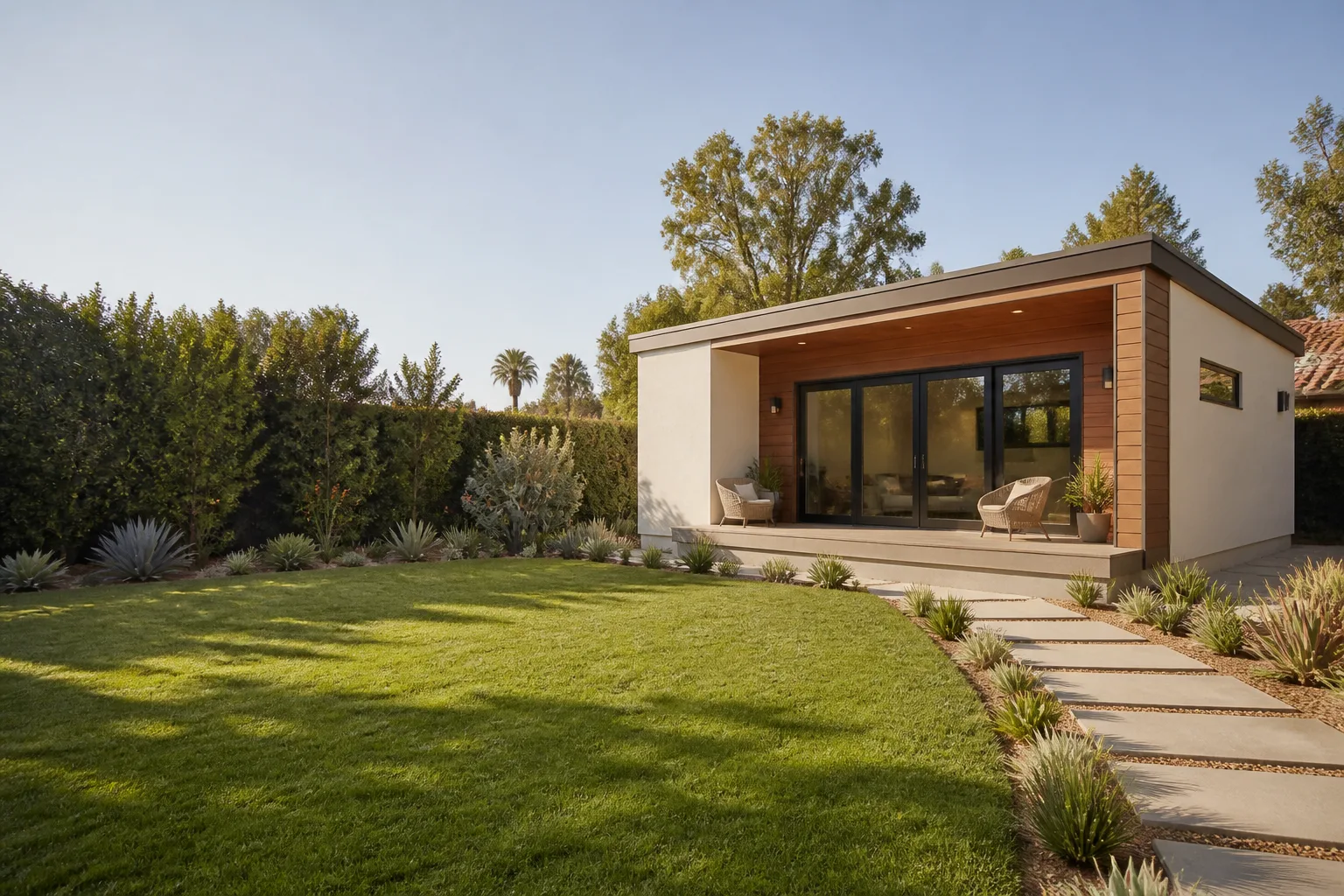

Cover New Detached ADU: The Spring Valley Owner’s Guide
If you’re pricing a new detached ADU built on Cover’s panelized system in Spring Valley, the installed cost for a turnkey unit typically lands between $180,000 and $340,000 depending on size, site work, and finish level – and we can schedule your free estimate within days, not weeks. Most Spring Valley owners arrive here after a site visit turns up a problem the original installer glossed over: a panel joint they can’t seal, a flashing detail at the roof line that’s already weeping, or a plan set that doesn’t match anything the city will approve. The Cover system is genuinely good engineering. The failure mode is almost never the panels. It’s the interface between the panels and the ground, the roofline, and the local code book – which is exactly where a Spring Valley build gets complicated.
Which Cover Models This Applies To
Cover builds a small number of product lines rather than dozens of models, and the panels and connector kits are largely shared across them. What changes is the footprint, the roofline configuration, and whether you’re getting a studio or a one- or two-bedroom unit. When you’re matching a replacement part or a corrective detail for a Cover ADU in Spring Valley, identify the unit three ways: the model and serial plate on the electrical panel enclosure, the panel module labels on the individual wall sections (usually a stamped code near the base channel), and a physical measurement of the module width and the wall height. Those three together tell you which connector kit, which flashing profile, and which base trim you need.
Here’s the OEM-versus-aftermarket reality for Cover specifically: Cover’s system uses proprietary extrusions and connector profiles at the panel joints. Generic panel connectors and standard flashing stock will not seat correctly on those joints, and forcing them is how water gets behind the cladding. For the structural and weatherproofing components, use Cover-specified parts. For cladding, trim, fasteners, and finish materials, quality aftermarket equivalents work fine and often cost less – James Hardie siding and trim, for example, is a material Cover units are already designed around, and it’s fully specifiable without any proprietary lock-in. Ask for the exact spec sheet on anything we quote so you can verify it independently.
Signs Your Cover New Detached ADU Is Failing
- Water staining or efflorescence at the base channel. In Spring Valley’s dry climate you’d expect low moisture – so any chalky white deposit at the base of a panel means water is getting in and pushing minerals out. That points to a failed joint seal or base flashing detail, not a panel defect.
- Panel joints that show daylight or feel soft when pressed. The connector extrusion has shifted or the sealant has aged out. Cover’s joint seals have a service life, and desert sun on a south-facing wall shortens it considerably.
- Roofline separation or a visible gap at the fascia. This is a flashing and tie-in failure. It’s the single most common corrective scope we see on Cover builds in Spring Valley, because the roof-to-panel interface is where installers cut corners.
- Interior cracks that track along panel seams. Seam-following cracks mean differential movement between modules – a connection or foundation issue, not a drywall problem. Patching the drywall hides it for a season and makes it worse.
- Recurring permit or inspection flags. If a prior inspection cited a missing anchor, an unspecified base connection, or a fire-separation detail, that’s a failing part of the build, not paperwork noise. Spring Valley inspections will catch it on resale or refinance.
Replacement Cost & What’s Included
| Scope | Typical installed range |
|---|---|
| Panel joint re-seal and base flashing correction (per wall) | $850 – $2,400 |
| Roofline flashing rebuild and fascia tie-in | $1,600 – $4,800 |
| Connector kit replacement (per joint) | $450 – $1,200 |
| Base channel and anchor correction | $1,200 – $3,500 |
| Full weatherproofing envelope rework (worst case) | $6,000 – $14,000 |
What drives the range is access (an ADU tucked behind a pool deck costs more to work on than one on an open pad), how much cladding has to come off to reach the failing joint, and whether the correction pulls a permit. Every quote we give is a written, line-item price before any work starts – parts, labor, permit fees, and disposal shown separately. No verbal estimate that shifts at the door. The work carries our 365-Day Done Right Promise, and if a covered repair fails within that year, we come back at no charge.
DIY or Call Us?
You can safely do the diagnostic work yourself: photograph the joint, press-test the panel, check for staining, and note where daylight shows. That information actually helps us quote faster. What you shouldn’t do is reseal a panel joint or rebuild a roofline flashing detail on a Cover unit yourself. The sealant has to be compatible with the extrusion, the flashing has to lap in the right direction with the right backer, and a joint that looks sealed in Spring Valley’s dry heat will fail on the first monsoon-season rain if the detail is wrong. We’ve opened up plenty of DIY reseals that made a $900 job into a $4,000 one. If you’ve already tried and it’s still leaking, call us at (833) 734-5583 and we’ll tell you honestly whether it needs a full rebuild or just a correct re-seal.
FAQs
Roughly 10 to 15 years on a properly detailed joint, but expect the sun-facing side to go first – Spring Valley’s UV load degrades exterior sealant noticeably faster than the shaded elevations of the same unit. If your unit is past the eight-year mark and the joints haven’t been inspected, get them looked at before rain season rather than after. Call (833) 734-5583 to schedule a free inspection.
Usually yes for joint seals and flashing – those are re-seal and re-detail jobs, not replacements. Connector extrusions that have shifted or corroded get replaced, because a bent connector won’t hold the panel alignment even with fresh sealant. We’ll tell you which one you’re looking at before you commit to anything.
A single joint re-seal is a half-day job; a roofline flashing rebuild is typically two to three days including cure time. Full envelope rework runs a week or more. We give you a written schedule with the written price, and we confirm the actual start day before we show up.
We source structural and weatherproofing components through Cover’s specified supply chain and match them to your unit’s module labels, and we spec finish materials like James Hardie cladding directly from the manufacturer. We don’t carry parts on a truck or hold local stock – each part is ordered to your unit, which is also why the quote is exact rather than a guess. Benson ADU Builders Spring Valley is an independent service provider and is not affiliated with Cover; we also work with Abodu and Dvele systems across Spring Valley.
Whether you’re correcting a failed detail or planning a new detached ADU from the ground up, the first step is the same: a written price and a clear scope before anything gets opened up. Call Benson ADU Builders Spring Valley at (833) 734-5583 for a free estimate – a live person answers, every time.
Written by the team at Benson ADU Builders Spring Valley, serving Spring Valley and nearby areas.